
Commercial Solar Leads: How to Generate $100k+ B2B Appointments and Stop Chasing Residential Roofs (2026 Guide)
By Deepak Jaiswal | B2B Performance Marketing Expert Reading Time: 12 Minutes
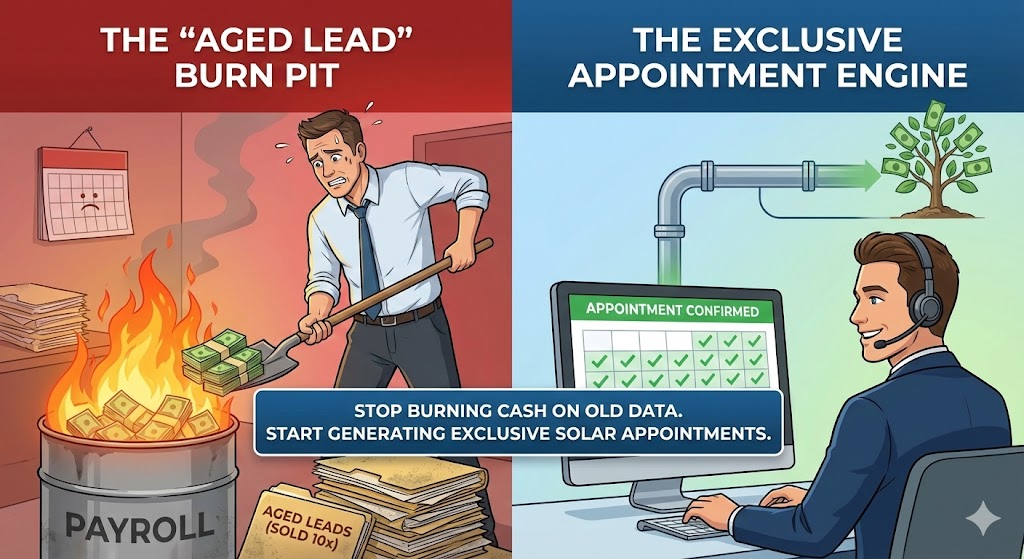
Commercial solar leads are the holy grail of the renewable energy industry. Yet, 90% of solar companies spend their entire marketing budget fighting over the exact same residential homeowners.
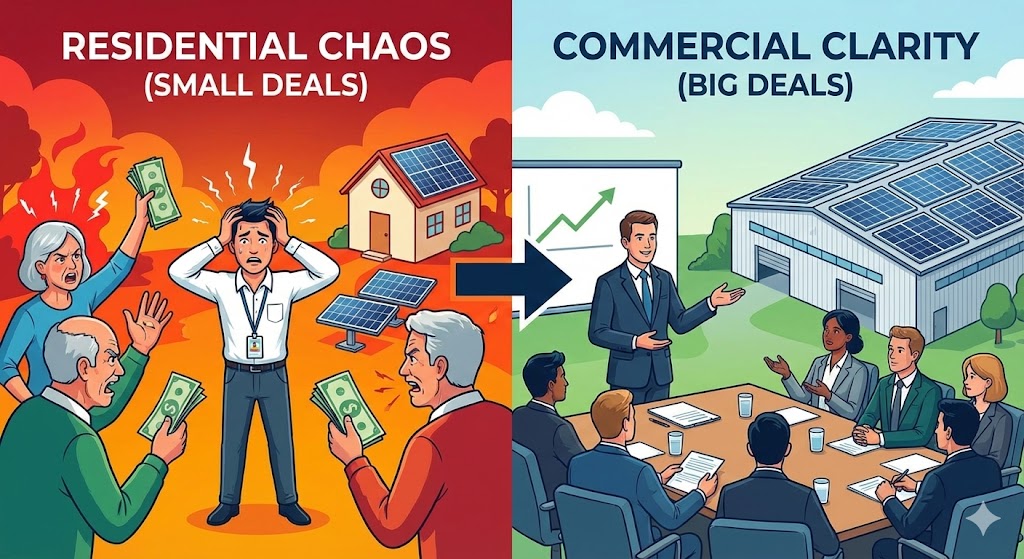
If you are running a solar EPC (Engineering, Procurement, and Construction) or a dealership in 2026, you already know the residential market is becoming a bloodbath. You buy residential leads, call them within 30 seconds, and the homeowner yells, “You are the 8th solar guy to call me today!” Even if you get an appointment, you have to deal with HOA approvals, bad credit scores, rising interest rates, and homeowners who cancel the contract three days later because their brother-in-law said it was a scam.
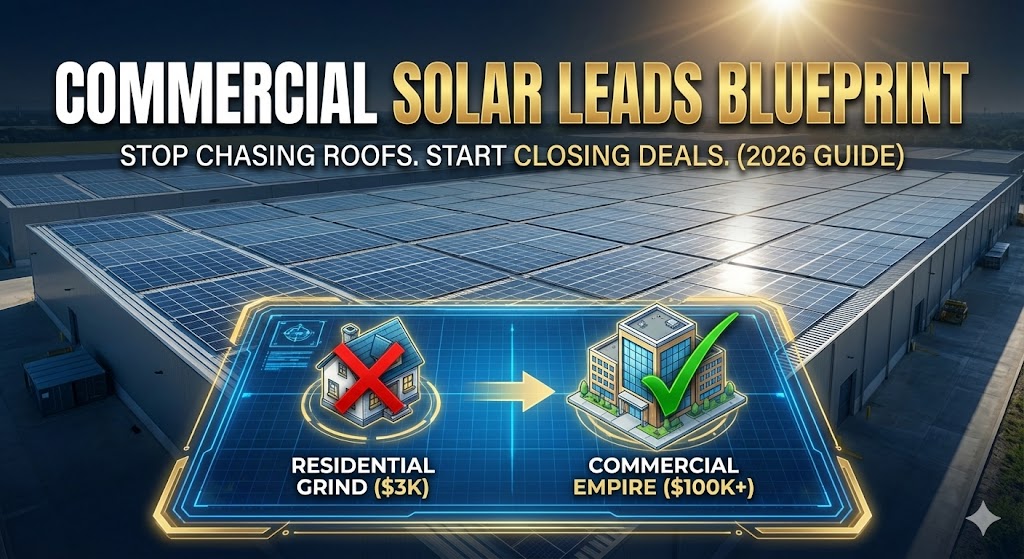
You are working 60 hours a week to close 5kW systems for a $3,000 commission.
What if you could work the exact same amount of hours, but close 500kW systems for a $100,000+ commission? To scale your solar business to 8-figures, you must pivot. You need to start talking to CEOs, CFOs, and Facility Managers who treat solar as a financial asset, not a roof decoration. In this comprehensive guide, I will show you the exact blueprint to generate exclusive Commercial Solar Leads and build a predictable B2B pipeline.
The Residential Bloodbath vs. The Commercial Goldmine
Before we build your commercial marketing funnel, we need to understand the psychology of the B2B buyer versus the B2C buyer.
A homeowner buys solar based on emotion and a promise of saving $50 a month. They are easily spooked. A business owner buys solar based on cold, hard math. They are looking at massive utility bills, MACRS (Modified Accelerated Cost Recovery System) depreciation, tax credits, and ESG (Environmental, Social, and Governance) goals.
When you pitch a CEO, you aren’t selling “panels.” You are selling a financial vehicle that increases their company’s bottom line and net operating income (NOI).
Data Table: Residential vs. Commercial Solar Economics
Let’s look at why shifting your focus to commercial solar leads is the smartest business decision you can make in 2026.
| Metric | Residential Solar (B2C) | Commercial Solar (B2B) |
| Average System Size | 5kW – 10kW | 100kW – 1MW+ |
| Average Commission/Profit | $2,000 – $5,000 | $50,000 – $250,000+ |
| Cancellation Rate | 20% – 30% (High Emotion) | < 5% (Data-Driven) |
| Sales Cycle | 1 – 4 Weeks | 3 – 9 Months |
| Lead Cost | $40 – $150 | $200 – $500 |
| Decision Maker | Husband/Wife (Credit Dependent) | CFO/CEO/Board (Capital Ready) |
| Market Saturation | Extremely High (Red Ocean) | Low to Medium (Blue Ocean) |
Yes, the sales cycle is longer, and the cost per lead is higher. But closing just one commercial deal is equivalent to closing 30 to 50 residential deals. Which sounds like a better use of your time?
Step 1: The "Inbound" Strategy (High-Intent Google Ads)
When a Facility Manager or a CFO at a manufacturing plant is told to “look into reducing our energy costs,” where do they go? They don’t wait for a door-knocker. They go to Google.
To capture these high-value Commercial Solar Leads, we need to bid on keywords that residential homeowners never use.
The Keyword Strategy
Stop bidding on “solar panels near me.” You will just get homeowners. Instead, your Google Ads campaign must target B2B intent:
“Commercial solar installers [City]”
“Solar tax credits for manufacturing plants”
“Commercial solar financing options”
“Industrial solar EPC contractors”
“Cost of 100kW solar system”
The Landing Page (The B2B Filter)
When that CFO clicks your ad, they cannot land on your generic homepage that shows pictures of residential roofs. They need to land on a dedicated Commercial Solar Asset Page. The page must speak their language: ROI, Payback Period, Tax Incentives, and Business Continuity.
Step 2: The "Outbound" Strategy (LinkedIn Account-Based Marketing)
ou cannot rely on search traffic alone. You must proactively hunt the biggest whales in your market. For commercial solar leads, Facebook is dead. LinkedIn is your goldmine.
The “Trojan Horse” Approach
If you message a CEO on LinkedIn and say, “Hi, we sell commercial solar, want a quote?” you will be ignored.
Instead, use a “Trojan Horse” Lead Magnet. Offer them a piece of high-value content that solves a current business problem. Example Message:
“Hi [Name], noticed you run the facility operations at [Company]. We just ran an analysis on how manufacturing plants in [State] are using the new 2026 Federal Tax Credits to offset their utility rate hikes by 40%. I put together a 3-page executive brief on the math. Want me to send it over? No pitch.”
When they say “Yes,” you send the PDF. You track when they open it. Then, you follow up and ask for a 10-minute discovery call. You are no longer a salesperson; you are an energy consultant.
Step 3: The B2B Pre-Qualification Funnel (The Filter)
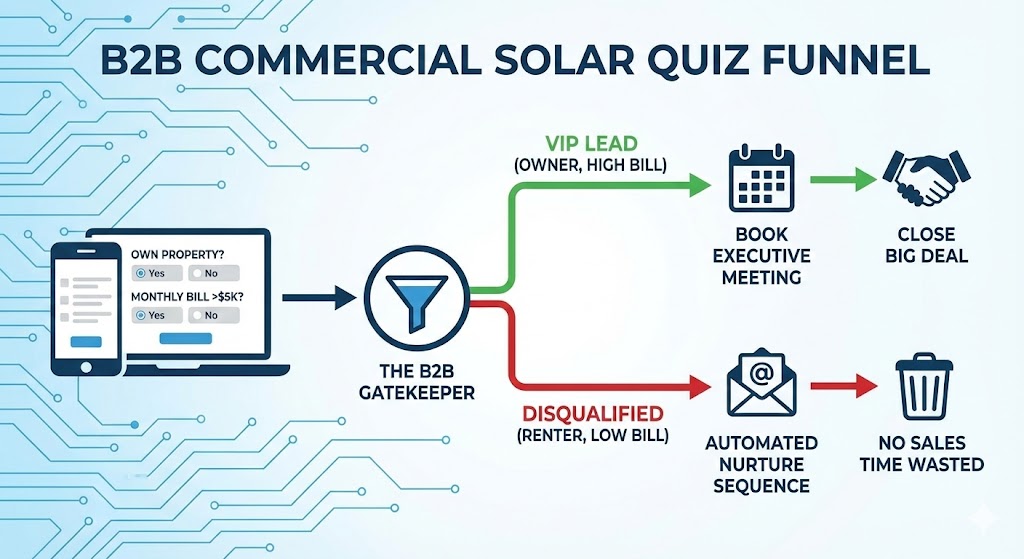
Whether the lead comes from Google or LinkedIn, you must never let them book a meeting without passing through your “Digital Gatekeeper.” If you spend an hour doing a satellite roof design for a business that rents their building, you lose money.
To filter your Commercial Solar Leads, send them through a Commercial Energy Audit Quiz.
Before they get on your calendar, they must answer:
“Do you own the commercial property or have a 10+ year lease?” (Disqualify short-term renters).
“What is your average monthly electricity bill?” * Options: Under $1k / $1k-$5k / $5k-$20k / $20k+ (Helps you prioritize the whales).
“What type of roof does your facility have?” (Flat TPO, Metal, Pitched – crucial for engineering estimates).
“What is the primary goal of the business?” (Tax reduction, lowering operating costs, ESG compliance).
When you get a notification that says: “VIP LEAD: Owns Manufacturing Plant, $15k/month utility bill, Flat Roof,” your sales team knows exactly how to prepare the pitch.
Step 4: Selling the "Financial Vehicle" (The Close)
Once you generate the lead and secure the boardroom meeting, you must change your presentation style. Do not talk about solar panel brands, tier-1 ratings, or inverters. The CFO does not care about the technical specs. They care about the spreadsheet.
Your Proposal Must Highlight:
Current Cash Flow vs. Solar Cash Flow: Show them that doing nothing costs them $500,000 over 10 years, while solar makes them cash-flow positive in Year 1.
The Tax Shield: Explain how MACRS depreciation and the Investment Tax Credit (ITC) can drastically reduce their corporate tax burden this year.
Cap Rates & Property Value: Show them how decreasing the building’s operating expenses increases its Net Operating Income (NOI), thereby increasing the overall valuation of their commercial real estate.
When you speak the language of finance, you stop being a contractor and start being a trusted financial advisor.
Conclusion: Make the Shift in 2026
The residential solar market will always exist, but it will always be a high-stress, high-volume grind.
By upgrading your marketing systems to target Commercial Solar Leads, you insulate your business from residential credit crunches and consumer panic. You deal with professionals, you work on massive projects, and you build a highly profitable, scalable EPC empire.
Stop fighting over the crumbs. Start hunting the whales.
Ready to Build Your Commercial Solar Pipeline?
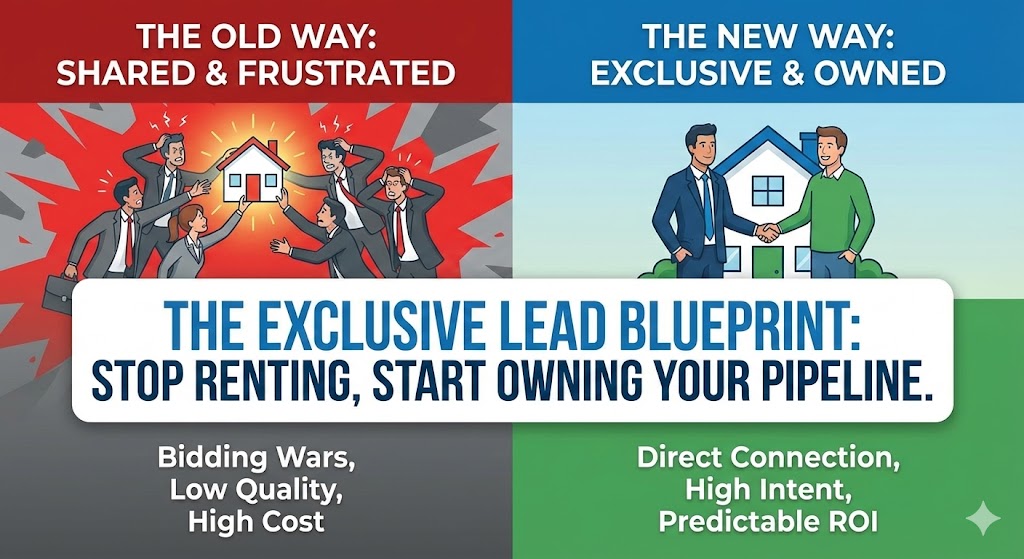
I specialize in building high-ticket B2B acquisition funnels for Solar EPCs. If you want to stop chasing residential leads and start generating exclusive commercial appointments, click below to book a Strategy Audit.
- All Posts
- Knowledge Hub
Frequently Asked Questions
1. How much does it cost to generate commercial solar leads?
Because you are targeting B2B decision-makers (CEOs, Facility Managers), the Cost Per Lead (CPL) is higher than residential. Expect to pay between $150 to $500 per qualified lead via Google Ads or LinkedIn. However, with average commissions exceeding $50,000, the Return on Ad Spend (ROAS) is massive.
2. Can I generate commercial leads without a big marketing budget?
Yes. If you have zero budget, you must use Outbound Marketing. Use tools like Apollo.io or LinkedIn Sales Navigator to build lists of commercial property owners in your state. Send highly personalized, value-driven emails or direct messages offering a free “Energy Bill Audit.”
3. How long does it take to close a commercial solar deal?
The B2B sales cycle is much longer than residential. It typically takes 3 to 9 months from the first contact to a signed contract. This is because commercial deals require board approvals, deeper engineering studies, and corporate financing reviews. You must have a robust CRM to nurture these leads over time.
4. Should I stop doing residential solar completely?
Not necessarily. Many successful EPCs use residential solar to maintain fast cash flow while they build their commercial pipeline. Think of residential as your “daily bread” and commercial as your “wealth building” strategy. As your commercial pipeline matures, you can slowly scale back your residential operations.
5. What is the best platform for B2B solar marketing?
LinkedIn is the best platform for outbound prospecting (Direct messaging decision-makers). Google Ads is the best platform for inbound intent (capturing businesses actively searching for solar). A mature commercial solar funnel utilizes both.